New Jersey’s industrial past has filled our state with brick warehouses, textile mills, and manufacturing plants that are being repurposed to meet the residential demands of the present and future. As of 2026, the state has leaned heavily into Adaptive Reuse, with new incentives like the NJ Aspire Program and the Historic Property Reinvestment Program making it more financially viable than ever to convert underutilized buildings into vibrant residential lofts and modern office spaces.
However, turning a century-old factory into a safe, code-compliant apartment building is a structural puzzle. At Sabio Engineering Services, we specialize in the behind-the-scenes engineering that makes these transformations possible.
The Skeleton Challenge: Industrial Strength vs. Residential Reality
Old industrial buildings were built for heavy machinery, which means they often have incredible bones. However, those bones were designed for downward pressure (gravity), not the complex requirements of modern living.
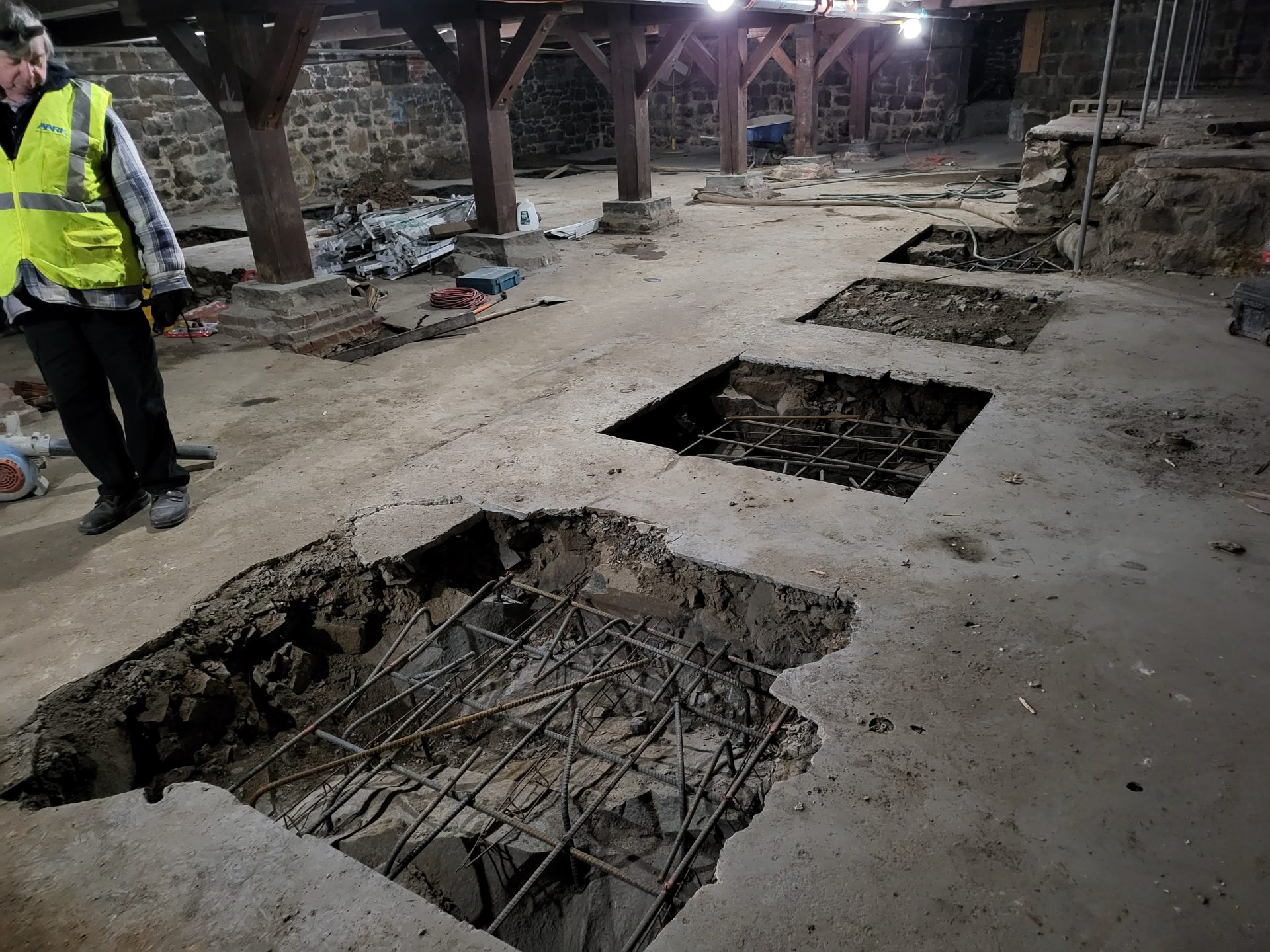
- The Floor Load Paradox: While a warehouse floor can often handle the weight of an apartment, it may not meet modern deflection limits. We see bouncy floors that were fine for storing boxes but would cause drywall cracks and noise complaints in a luxury residence. Sabio Engineering Servicescan determine if your existing slabs need carbon-fiber reinforcement or supplemental steel.
- Seismic Sensitivity: Older masonry buildings in NJ are rarely reinforced. With the recent uptick in regional tremors, like the 2024 and 2025 seismic events, NJ codes now require these buildings to be brought up to modern lateral-force standards during a major conversion.
- The Deep Floor Plan Issue: Industrial buildings often have massive, deep floor plans. To make these work for residential units (where every bedroom needs a window), we often have to engineer structural light wells, literally cutting a hole through the center of the building while maintaining the structural integrity of the remaining shell.
Building Upwards Matters
For buildings up to around 8 floors, we hit a sweet spot in the NJ building code. These structures are often tall enough to require sophisticated fire suppression and egress (stairwell) engineering, but small enough that we can typically avoid the astronomical costs of skyscraper-grade foundations.
At Sabio Engineering Services,we focus on maximizing your usable square footage. By designing with high-strength, lightweight materials for internal partitions, we can add a penthouse level to an existing 6 or 7-story structure without needing to underpin the entire foundation.
Your Project, Our Expertise
Adaptive reuse is the ultimate upcycling project, but it requires a structural engineer who understands the quirks of 19th-century brick and 20th-century concrete.
Before you commit to a purchase or sign a developer agreement, let Sabio Engineering Services perform a Structural Assessment. We identify deal-breakers and develop solutions early so you can build with confidence.
Planning a conversion in Newark, Jersey City, or the surrounding NJ areas? Contact Sabio Engineering Services team today at (929) 381-0030 or info@sabioengineering.com for a structural evaluation and our structural design services.