For decades, property owners in New Jersey and New York have thought of earthquakes as a problem that’s 2000 miles away in California. However, the 4.8 magnitude earthquake in April 2024 in Tewksbury, NJ and the more recent 3.0 magnitude tremor in Hasbrouck Heights in August 2025 have served as a wake-up call.
While our region isn’t on a major plate boundary like California, we sit on the Ramapo fault system that has recently experienced increased activity. If you’re a homeowner and building owner, Sabio Engineering Services can help you prepare your building for earthquakes or evaluate the damage and design repairs if you see signs of seismic damage.
Red Flags: When to Call an Engineer
Even if your building seems fine after a tremor, internal structural stresses can accumulate. For homeowners, landlords, and industrial managers, these signs warrant a professional inspection:
- Stairwell & Elevator Separation: Look for new gaps or cracks where stair towers meet the main floor slabs.
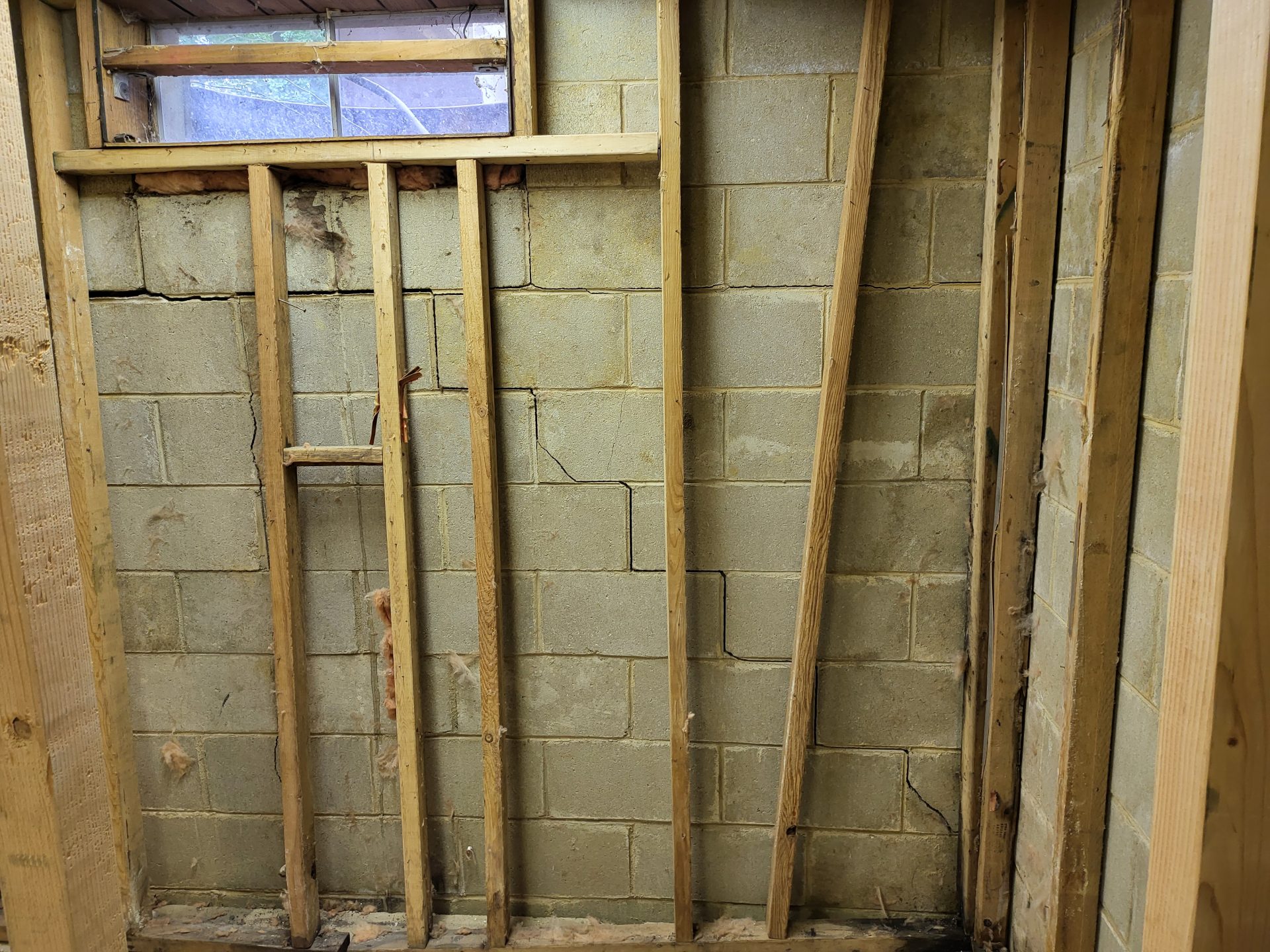
- Step-Cracking in Masonry: Diagonal “stair-step” cracks in brick or cinder block walls are classic signs of lateral stress.
- Misaligned Openings: If doors or windows suddenly stick or frames appear “racked” (tilted), the building’s skeleton may have shifted.
- Parapet and Cornice Movement: On older NJ/NYC buildings, these decorative elements are often the first to loosen. If you see daylight between the roofline and the facade, it is a major safety hazard.
If you notice any of these, give Sabio Engineering Services a call so we can assess the damage and help you identify what repairs may be necessary.
Protecting Old Structures Against Earthquakes
The primary risk in New Jersey and New York City isn’t the magnitude of the quakes; it’s our aging building stock. Many buildings in our area predate modern seismic considerations.
Unlike regions like California or Japan, where buildings are designed to sway and absorb energy without collapsing, our older masonry and concrete structures are relatively brittle. They are excellent at carrying vertical weight but can fail abruptly when subjected to the lateral (sideways) forces of an earthquake. In New Jersey and New York, we are applying lessons learned in other seismic regions to ensure a moderate earthquake doesn’t turn into a catastrophe.
If you manage a residential or commercial building, several engineering interventions can significantly “stiffen” your structure against lateral forces:
- Steel Bracing (X-Bracing): Installing diagonal steel frames within existing bays provides a path for seismic forces to travel safely to the ground.
- FRP Wrapping (Fiber-Reinforced Polymer): Enhancing older concrete columns with high-strength carbon fiber. This acts like a “corset,” preventing the concrete from bursting under pressure.
- Shear Wall Reinforcement: Adding new reinforced concrete walls (or strengthening existing ones) to resist the “sliding” forces of a tremor.
- Soft-Story Reinforcement: Many mid-rise buildings have soft stories, open ground floors for parking or retail. These are high-risk points. We reinforce these levels with steel moment frames to prevent the upper floors from pancaking.
If you are worried about the safety of your aging building, Sabio Engineering Services designs structures to integrate with your building and shore up the structure against seismic risks.
Is your building prepared for the next tremor? Whether you need a quick visual inspection after a recent event or a full seismic evaluation and structural design for reinforcement, Sabio Engineering Services is here to help you navigate the complexity of seismic activity in New Jersey and New York City.